


_edited.png)
How PCA Support Helps Cancer Patients During Chemotherapy and Radiation
- Devoted Home Care, LLC

- Oct 15, 2025
- 4 min read
Updated: Nov 16, 2025
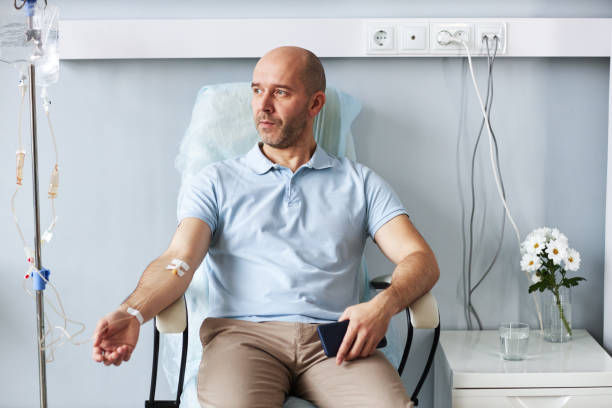
Chemotherapy and radiation are some of the most physically and emotionally demanding treatments a cancer patient will ever experience. Side effects such as fatigue, nausea, weakness, dizziness, and emotional distress can make everyday life incredibly difficult. Many families find themselves overwhelmed as they try to balance caregiving with work, parenting, and their own well-being.
This is where a Personal Care Assistant (PCA) becomes invaluable.
At Devoted Home Care, LLC, our PCAs provide compassionate, non-medical in-home support designed to ease the burden of treatment and promote comfort, safety, and independence.
In this blog, we explore how PCA services support cancer patients during chemotherapy and radiation, and why home-based assistance is often the most beneficial option.
1. MANAGING EXTREME FATIGUE
Fatigue is the most common and persistent side effect of both chemo and radiation. Patients often describe it as “bone-deep exhaustion,” making normal daily activities incredibly difficult.
PCAs help by:
Assisting with getting out of bed
Helping with bathing, dressing, and grooming
Planning safe rest periods throughout the day
Completing tasks that require physical effort
Supporting mobility to prevent strain
With PCA help, patients can conserve energy for healing, not chores.
2. SUPPORTING MOBILITY AND PREVENTING FALLS
Chemo and radiation can cause dizziness, weakness, neuropathy, and balance issues, all of which increase the risk of dangerous falls.
PCA support includes:
Hands-on mobility assistance
Help with transferring (bed, chair, toilet, shower)
Clearing pathways to reduce tripping hazards
Stabilizing unsteady walking
Assisting with stairs or uneven surfaces
A PCA’s presence provides safety, confidence, and peace of mind.
3. ASSISTANCE WITH ADLS (ACTIVITIES OF DAILY LIVING)
During treatment, basic daily tasks become difficult or unsafe. PCAs help with all ADLs while protecting the patient’s dignity.
This includes:
Bathing and personal hygiene
Dressing and undressing
Toileting support
Grooming
Feeding assistance
Safe ambulation
This support allows the patient to remain independent and comfortable at home.
4. HELPING WITH NAUSEA, APPETITE CHANGES & NUTRITION
Chemotherapy and radiation often cause:
Loss of appetite
Nausea and vomiting
Taste changes
Difficulty tolerating certain foods
Dehydration
PCAs help by:
Preparing light, nutrient-rich meals
Encouraging hydration
Offering small snacks throughout the day
Monitoring what foods are tolerated best
Assisting with feeding if needed
Proper nutrition is essential for strength and recovery.
5. MAINTAINING A CLEAN & SAFE HOME ENVIRONMENT
A clean, organized space helps reduce stress and improves recovery—but cancer patients often lack the strength for housekeeping tasks.
PCAs lighten the load with:
Light cleaning
Laundry and linens
Dishwashing
Trash removal
Organizing medications, clothing, and supplies
Sanitizing frequently touched surfaces
This helps protect patients from infections and creates a calm healing environment.
6. TRANSPORTATION ASSISTANCE TO CHEMO & RADIATION APPOINTMENTS
Not every family member can leave work or travel daily for treatment. PCAs can assist with transportation needs such as:
Escorting the patient to appointments
Helping them transfer into/out of the vehicle
Remaining with them for support
Assisting them safely back into the home afterward
This ensures the patient never attends appointments alone.
7. EMOTIONAL AND COMPANIONSHIP SUPPORT
Cancer treatment is not only physically draining—it is emotionally overwhelming. Many patients feel lonely, anxious, or discouraged.
A PCA provides:
Someone to talk to
Reassurance during tough days
Support during emotional moments
Company during long appointment hours
A comforting, consistent presence
For many patients, companionship becomes the most meaningful part of care.
8. MAINTAINING DAILY ROUTINES & STRUCTURE
Fatigue, confusion, and emotional strain can make it hard for patients to stick to routines—especially those involving nutrition, hydration, or self-care.
PCAs help with:
Meal reminders
Hydration reminders
Daily task structure
Medication reminders (non-medical)
Encouraging movement and rest at proper intervals
This consistency improves comfort and well-being.
9. REDUCING STRESS FOR FAMILY CAREGIVERS
Caregiving for a cancer patient is physically exhausting and emotionally draining. Families often feel guilty, overwhelmed, and stretched thin.
PCA support offers:
Relief from daily care tasks
More time for work and family
Support during the most difficult treatment phases
Peace of mind knowing their loved one is safe
With a PCA, families can focus on supporting emotionally—not physically burning themselves out.
10. ALLOWING PATIENTS TO HEAL IN THE COMFORT OF HOME
Most cancer patients prefer to receive care in familiar surroundings rather than in a facility.
Home offers:
Peace
Control
Comfort
Familiarity
Emotional security
PCA support makes staying at home possible, even during the hardest parts of treatment.
WHY CHOOSE DEVOTED HOME CARE, LLC?
As a Georgia-licensed Private Home Care Provider (PHCP), Devoted Home Care, LLC offers:
Oncology-sensitive PCA training
Personalized care plans tailored to treatment schedules
Compassionate, patient-centered care
Flexible scheduling from a few hours to 24-hour care
Safety-focused support
Family communication and transparency
Full compliance with DCH Rule 111-8-65
We help patients maintain dignity, comfort, and independence every step of the way.
FINAL THOUGHTS
Cancer treatment is never easy, but no one has to face it alone. PCA support can make a profound difference in comfort, safety, and emotional well-being during chemotherapy and radiation.
If your loved one is beginning treatment or already struggling with daily tasks, Devoted Home Care, LLC is here to help.
CONTACT DEVOTED HOME CARE, LLC
Compassionate Care. Professional Support. Dignity Through Every Stage.

📍 1755 The Exchange SE
Atlanta, GA 30339
📞 (404) 333-86913


Comments